What to Expect When Handling protecting e-wallet details
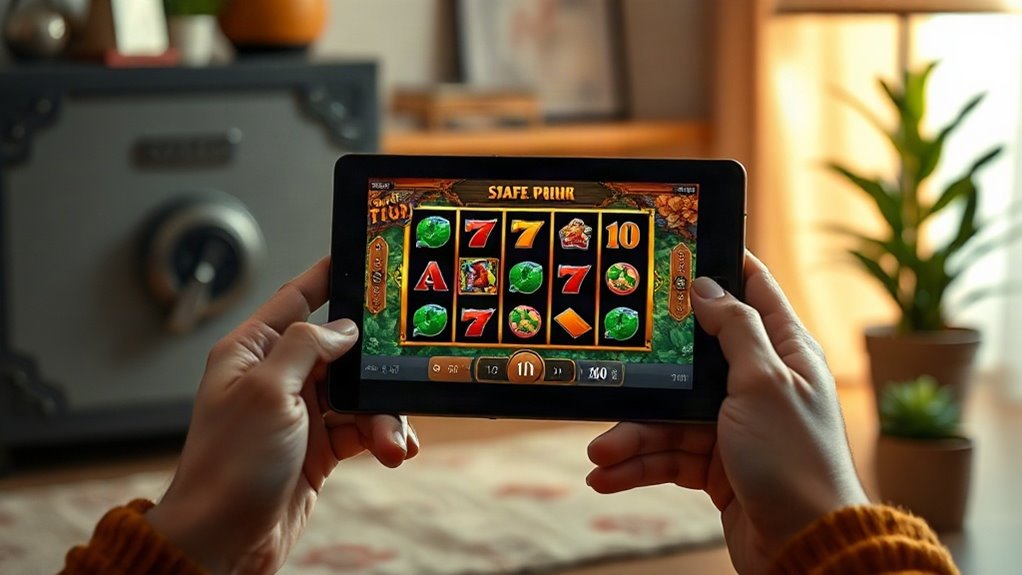


A gaming site can feel simple because most tasks need only a few taps. Yet each tap can involve an account, a payment, or private data. Good habits help lower avoidable risk. The best place to start is with checks that are easy to repeat.
The key theme here is protecting e-wallet details. The goal is not to promise wins or income. It is to help users protect their account and make calm choices. A few simple checks can prevent many common problems.
A user may see UUPH, UUPH Login, UUPH App, UUPH Apk, and UUPH Game in search results or social posts. Treat those names as labels, not proof. Verify the page and the file source before you enter any private data.
Brief Overview
- Use a password that is not used for email or social media.
- Review app or APK permissions before you install a file.
- Use only money already set aside for leisure.
- Keep one-time codes private, even if a caller claims to be support.
- Keep a record of deposits, withdrawals, and support cases.
Keep Better Records
A simple way to handle protecting e-wallet details is to use the same safety checks each time. RTP and volatility can explain how a game is built over many rounds. They do not tell you what will happen in one short session. A user can still lose the full amount set aside. Read game rules to understand cost and play, not to find a sure path to profit.
Do not trust a page just because it looks polished. Scam pages can look clean and modern. Check the address and how you reached it. Be careful with links from comments, private messages, and pop-up ads. If a page asks for unusual data, close it and start again from a known source.
Protect the Login and the Phone
With protecting e-wallet details, small habits can make a large difference to account and money safety. Take a break after a strong win or a bad loss. Excitement can lead to larger bets. Anger can lead to chasing. A short break can help the mind return to a calm state. If you feel pressure to keep going, stop for the day instead.
An APK file needs extra care because it may be installed outside a normal app store. Check where the file came from. Review the permissions before you install it. Stop if the file asks for control that does not fit its purpose, such as device admin rights https://telegra.ph/What-to-Check-First-With-checking-withdrawal-requirements-08-29 or access to every contact.
Set Clear Limits Before Play
For protecting e-wallet details, the first useful step is to slow down and check what you can control. Protect GCash and other e-wallets as you would protect a bank account. Keep the PIN private. Do not send a screen shot that shows a wallet balance or a private code. Read each payment notice. A few seconds of review can catch the wrong amount or the wrong recipient.
Do not rush a payment because a timer or chat message says you must act now. Pressure is a common scam tool. Check the amount and the payment account shown on screen. If the details change without a clear reason, stop and ask support through a verified channel.
Know the Signs of a Scam
When you review protecting e-wallet details, focus on clear facts instead of a rush to act. Public Wi-Fi is not the best place for a password reset or a payment. Use a trusted mobile or home link when you can. If you must use shared Wi-Fi, confirm HTTPS and avoid saving login data on the device. Sign out when the task is done.
Use a different password for each important account. If one site leaks a reused password, other accounts can be at risk too. A password manager can make this easier. Keep your email password separate as well, since email is often used for account recovery and security alerts.
Handle Payments With Care
A simple way to handle protecting e-wallet details is to use the same safety checks each time. Never share a one-time code with another person. A code is meant to prove that you control the phone or account. Support staff should not need it for a normal help request. If someone asks for a code in chat, stop the chat and use the support path shown on the verified site.
Avoid posting account balances, QR codes, phone numbers, or full names in public groups. Small bits of data can be joined together by a scammer. Use a screen name when possible. Keep private details inside the secure account or support area.
Check your own pattern from time to time. Look at total spend, total time, and how often you think about play. If these rise, cut back. A limit is useful only if it changes your action. Early action is easier than fixing a larger money or habit problem later.
Age and local rules should be checked before an account is used. Rules can change. Use current official guidance instead of old screen shots or copied posts. Do not try to bypass age checks, location checks, or identity steps when a service is not allowed for you.
Watch for warning signs in your own play. These can include hiding spending, using bill money, borrowing to play, losing sleep, or feeling unable to stop. Chasing a loss is another sign. If these things happen, step away and talk with a trusted person or a suitable support service.
Slot results are uncertain. A recent win does not mean the next result will be a win. A run of losses does not mean a win is due. Treat each session as entertainment with a real cost. Do not use systems that claim they can promise or force a winning result.
Frequently Asked Questions
How should I set a gaming budget?
Use only money left after basic needs and savings. Set the amount before play starts. Do not raise it to recover a loss or because a recent result made you feel lucky.
Is an APK file always unsafe?
No. Yet an APK can carry more risk when it comes from an unknown source. Check where it came from. Review permissions, and stop if the app asks for access that does not fit its purpose.
Is public Wi-Fi safe for account recovery?
A trusted network is better for password resets and payments. If possible, wait until you have a secure link. Do not save login data on a shared device or browser.
When is it time to stop playing?
Stop when you reach the time or money limit you set. Also stop if you feel angry, tired, rushed, or tempted to use money meant for food, bills, debt, or other basic needs.
Can recent slot results predict the next result?
No reliable method can promise the next result from a short run of spins. Treat each session as uncertain. Avoid claims that a win is due or that a system can force a payout.
Summarizing
A safer routine starts before play. Check the source, guard private data, and set the budget in advance. If a page, file, or payment request feels wrong, stop and verify it before you act.
Keep the routine plain: verify first, spend only what is set aside, and stop on time. That gives the user a better chance to keep risk and cost under control.